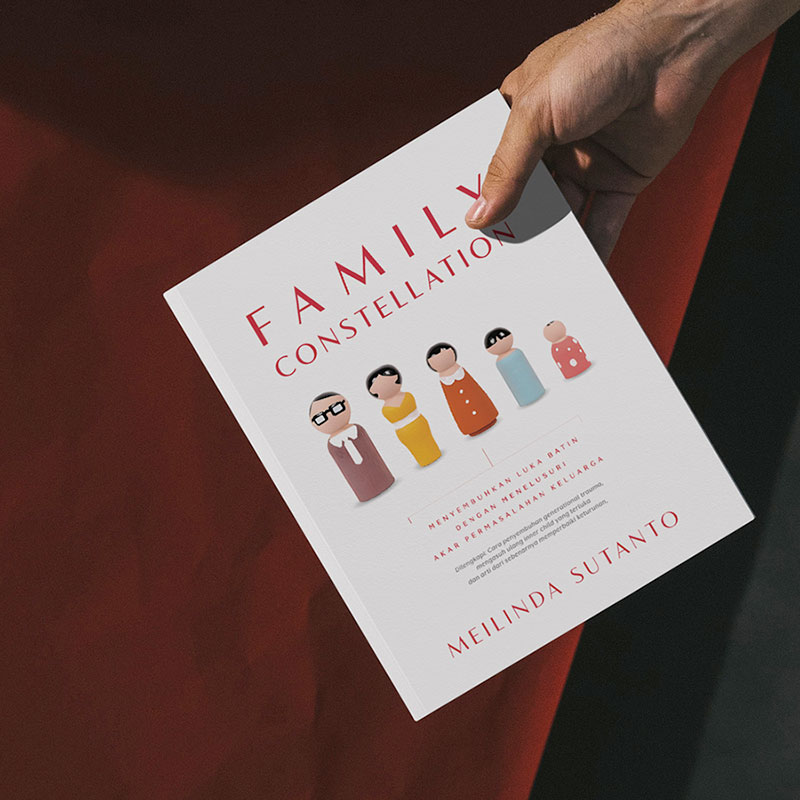
Meilinda Sutanto is a Certified Family Constellation Therapist, Systemic Coach, bestselling author, and international speaker specializing in Asian, intergenerational, and family-business dynamics.
Her work helps individuals, couples, and families uncover hidden patterns that can shape relationships across generations—from parent–child and sibling dynamics to marriage, family conflict, cultural expectations, and generational trauma.
With extensive training in Family & Systemic Constellations, including advanced study at the Bert Hellinger Institute Netherlands, Meilinda brings a culturally sensitive understanding to issues deeply embedded within Asian families: filial piety, respect for elders, family hierarchy, obligation and guilt, intergenerational conflict, and the tension between individual needs and collective family expectations.
Having lived and studied across different cultures and working multilingually, she is particularly attuned to multicultural, multiracial, third-culture, immigrant, and multigenerational families, where different languages, identities, values, and expectations often coexist within one family system.
Meilinda also works with entrepreneurs and business families, helping them navigate the complex intersection between family relationships and business roles—including family conflict, leadership, succession, boundaries, sibling dynamics, generational expectations, and the challenge of separating “Who are we as a family?” from “Who are we at work?”
Beyond her private practice, Meilinda facilitates workshops and systemic interventions across Asia and has been invited as an international speaker and trainer for Fortune Global 500 companies. She was recognized as one of Fortune Indonesia’s 40 Under 40, and her work as a bestselling author has been featured at the Ubud Writers & Readers Festival. Through her books, workshops, and private sessions, Meilinda makes systemic thinking accessible and relevant to modern Asian families—helping people understand not only what is happening in their relationships, but what may be happening underneath them. Because sometimes the problem belongs to one person. And sometimes, it belongs to the system.